


Aluminun Glass Showcase
Description
Technical Parameters
Shenzhen Belicase Co.,Limited specializes in standard and custom glass display showcases and mall kiosks for all kinds of retail shops and shopping malls.We have been providing hundreds of retail fixtures and store supplies to a wide variety of retail businesses,including jewelry shops,clothing shops,cellphone and accessories shops,beauty supply shops,watch shops,optical shops and other retail shops.Dedicated to strict quality control and good customer service,our products have been selling well in all cities and provinces around China and also have been exported to every continent of the world.If you plan to start your retail business or renew your current shop,we're the team suitable for you,we have many standard showcases options available and we also provide custom design services.
Why Choose Us
High Quality
We take pride in the craftsmanship of our products and ensure that each one meets our strict standards for quality.
Advanced Equipment
Equipment based on the latest technological developments has higher efficiency, better performance and stronger reliability.
Professional Team
Our professional team collaborate and communicate effectively with one another, and are committed to delivering high-quality results. They are capable of handling complex challenges and projects that require their specialized expertise and experience.
One-stop Solution
We can offer a range of services, from consultation and advice to product design and delivery. It is a convenience for the customers, as they can get all the help they need in one place.
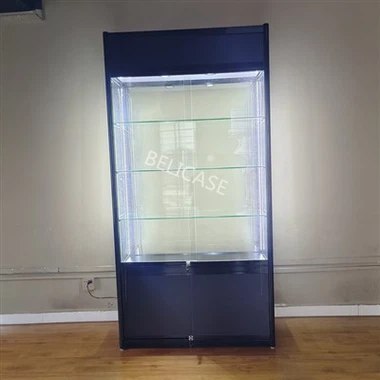

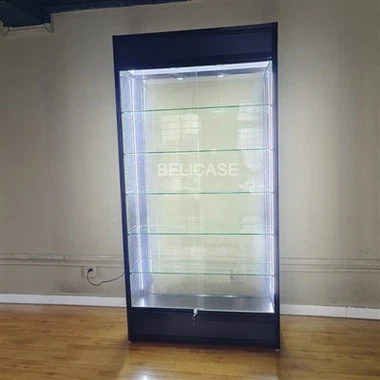
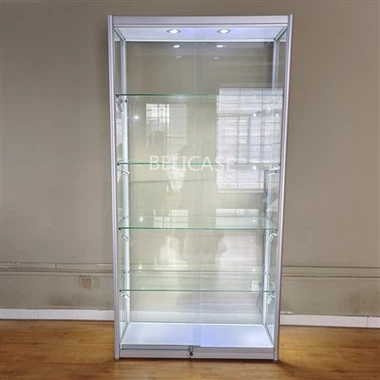
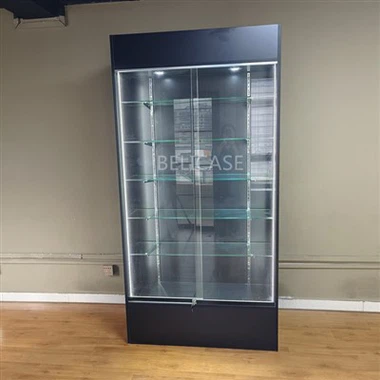
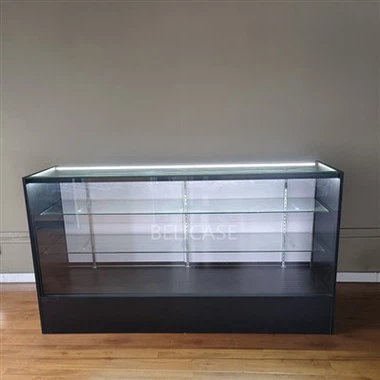
What is Aluminun Glass Showcase?
An aluminum glass showcase is a type of display cabinet commonly used in retail environments to exhibit products such as jewelry, electronics, collectibles, or other high-value items. The construction of such a showcase involves the use of aluminum for framing and support due to its strength, durability, corrosion resistance, and lightweight properties.
They allow for clear visibility of the displayed items, protect the items from environmental factors like dust and accidental contact, and contribute to the overall aesthetic appeal of the showcase. Typically, tempered glass is used for increased safety, as it is more resistant to breaking and less likely to cause injury if it does shatter.
Advantages of Aluminun Glass Showcase
Durability: Aluminum is a highly durable material that resists rust and corrosion, making aluminum glass showcases suitable for long-term use even in harsh environments.
Lightweight: Despite its strength, aluminum is significantly lighter than alternative metals like steel, which makes installation and relocation of the showcase easier.
Malleability: Aluminum can be easily extruded and shaped into various designs, allowing for a wide range of customizable showcase styles to suit different retail aesthetics and product displays.
Recyclability: Aluminum is one of the most recyclable materials available, contributing to eco-friendly practices in retail environments.
Visibility: The clear glass panels of the showcase provide excellent visibility, ensuring that products are prominently displayed and easily viewed by customers.
Security: Aluminum frames can be integrated with robust locking systems and safety glass to deter theft and protect the displayed items.
Versatility: Aluminum glass showcases can be adapted to various retail needs, from small jewelry displays to large electronic gadget showrooms, accommodating a wide range of products.
Types of Aluminun Glass Showcase
There are several types of aluminum glass showcases available, each designed to cater to different display needs and retail environments. Some common types include:
Jewelry showcases: These are specifically designed to display jewelry items. They often have bright internal lighting, lockable doors, and adjustable shelves to accommodate different sizes of jewelry boxes and trays.
Electronic showcases: Showcases for electronic devices are built to house delicate items while protecting them from dust and potential damage. They may have anti-static features and UV-protected glass to prevent harm to screens.
Pharmacy showcases: These showcases are designed to securely display medications and other pharmaceutical products. They often include a pass-through window for transactions and may have a climate-controlled interior to maintain the integrity of the products.
Countertop showcases: These smaller showcases sit on counters or shop counters and are ideal for displaying impulse buy items or smaller products. They come in various shapes and sizes to fit different counter spaces.
Wall-Mounted showcases: These are designed to be mounted on walls and save floor space. They are perfect for displaying items that are best viewed at eye level or for stores with limited floor space.
Freestanding showcases: These are standalone units that can be placed anywhere in a store. They come in various heights and widths and are versatile enough to be used in different retail layouts.
Corner showcases: Designed to fit snugly into the corner of a room, these showcases maximize the use of space and are great for showcasing a variety of products.
Portable showcases: Made from lightweight aluminum, these showcases can be easily moved from one location to another, making them ideal for trade shows, exhibitions, or temporary sales events.
Custom showcases: For unique display requirements, custom showcases can be designed and manufactured to meet specific dimensions, features, and design aesthetics.
Material of Aluminun Glass Showcase
Aluminum glass showcases are typically constructed using a combination of high-quality aluminum alloys for the frame and structural elements, along with toughened or tempered glass for the display panels. Here's a detailed breakdown of the materials involved:
Aluminum alloys
Extrusions: Aluminum profiles (extrusions) form the main framework of the showcase. These are created by forcing molten aluminum through a die to produce a shape that serves as the skeleton of the showcase.
Anodizing: A protective and decorative finish, anodizing involves creating an oxide layer on the aluminum surface. It enhances corrosion resistance and allows for a variety of colors.
Powder Coating: Another finish option, powder coating provides a durable and chip-resistant surface. It is applied as a dry powder and then cured under heat.
Glass materials
Tempered Glass: This is used for the front and side panels due to its enhanced strength compared to regular glass. It is made by heating then rapidly cooling the glass, which makes it four to five times stronger than non-tempered glass and safer because it breaks into small, granular chunks instead of sharp shards.
Laminated Glass: In some cases, particularly for higher security requirements, laminated glass may be used. It consists of two or more layers of glass with an interlayer, usually polyvinyl butyral (PVB), which holds the layers together if the glass is broken.
Low-Iron Glass: For better clarity and reduced green tint, low-iron glass can be used. It allows for more natural color representation and better visibility of the items displayed.
Other components
Locking Mechanisms: High-security locks are essential for the protection of the items on display. They can include magnetic locks, electronic locks, or traditional keyed locks.
Lighting: Energy-efficient LED lights are commonly integrated into the showcase design to illuminate the items attractively without generating excess heat.
Seals and Gaskets: Silicone or rubber seals are used to create a weather-resistant barrier and to ensure the showcase is airtight, which is important for climate-controlled units.
Application of Aluminun Glass Showcase
In each application, the design and engineering of the aluminum glass showcase are tailored to meet the specific needs of the environment and the items being displayed. This includes considerations for security, temperature control, lighting, and integration with existing décor.Aluminum glass showcases are widely utilized across various industries due to their versatility, durability, and aesthetic appeal. Their applications include:
In clothing boutiques, accessory shops, electronics stores, and jewelry outlets, aluminum glass showcases are employed to exhibit products in an appealing manner while providing security.
Tempered glass showcases with pass-through windows are used in pharmacies to safely display medications and other health care products, often with climate control options to preserve sensitive items.
Glass display cases with aluminum framing are used to showcase pastries, cakes, and chocolates, keeping them visible and accessible to customers while maintaining freshness.
Deli sections and fresh food counters use these showcases to display meats, cheeses, and salads, often with features like sliding doors and adjustable shelves.
Portable aluminum glass showcases are popular for temporary displays at trade fairs and exhibitions. They are easy to transport and set up to highlight products or informational materials.
Specialized jewelry showcases are designed to protect valuable items with features like UV-resistant glass, anti-static interiors, and lockable compartments.
These showcases display books, magazines, and newspapers, often with angled shelves to make the covers easily visible to passing customers.
Aluminum glass showcases can be used to display company brochures, awards, and branded merchandise in a professional and inviting manner.
Process of Aluminun Glass Showcase
The process of manufacturing an aluminum glass showcase involves several steps, including design, material selection, fabrication, assembly, finishing, and quality control. Here's a detailed look at these stages:
Material Selection:
High-grade aluminum alloys are chosen for their strength, corrosion resistance, and malleability.
Glass options include tempered, laminated, or low-iron varieties depending on security, clarity, and UV protection needs.
Additional materials like silicone sealants, lock mechanisms, and LED lighting components are selected.
Fabrication:
Aluminum extrusions are cut to size according to the showcase design specifications.
Profiles are machined to accommodate hinges, locks, and other hardware.
Glass panels are cut, edge-worked, and treated as necessary (e.g., tempering or laminating).
Assembly:
Frames are assembled using screws, rivets, or other fasteners where needed.
Glass panels are installed into the frames, often with the use of clips, brackets, or silicone sealant to secure them in place.
Electrical components for lighting are wired and tested for functionality.
Locking mechanisms are fitted and tested to ensure they operate smoothly and securely.
Finishing:
Surfaces of the aluminum parts are sanded or polished to achieve a smooth finish.
Anodizing or powder coating processes are applied to provide corrosion resistance and enhance appearance.
Glass panels may be cleaned and treated to remove fingerprints and smudges.
Quality control:
Each showcase is inspected for structural integrity, proper alignment of panels, and functioning of locks and electrical systems.
Testing may include weight-bearing assessments for safety and performance under load.
Adjustments are made as necessary to correct any issues found during inspection.
Installation:
Upon arrival, the showcase is unpacked, and installation is performed by professionals.
Final adjustments are made to ensure the showcase is level and properly aligned.
Electrical connections are made, and lighting is tested one last time.
Components of Aluminun Glass Showcase
The components of an aluminum glass showcase typically include the following elements, each serving a specific purpose in terms of function, structure, and aesthetics:

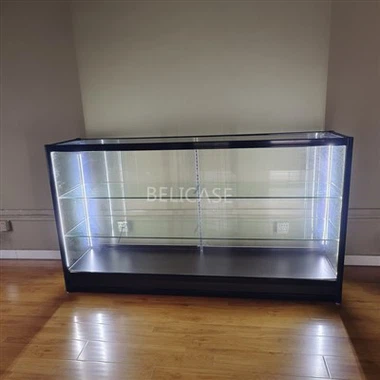
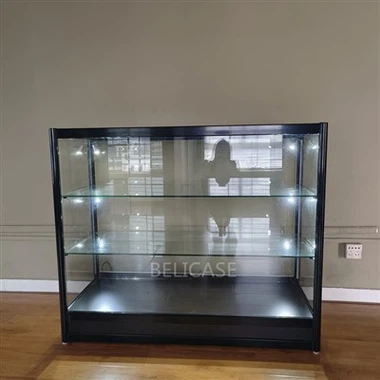

Aluminum frame:
Extruded aluminum profiles form the skeleton of the showcase.
These profiles are designed to provide strength and stability while allowing for easy assembly and disassembly if needed.
They also serve as mounts for other components like glass panels, lighting, and locks.
Glass panels:
Clear tempered or laminated glass is commonly used for visibility and safety.
Panels can be single or double-glazed, with the latter offering better insulation.
Some showcases might use specialty glass, such as anti-reflective, bulletproof, or UV-resistant types.
Doors:
Hinged or sliding doors allow access to the contents of the showcase.
Doors may have locking mechanisms for security purposes.
Glass doors are often reinforced with additional metal framework for extra strength.
Lighting:
Internal lighting is crucial for illuminating displayed items and attracting attention.
LED lights are common due to their energy efficiency and longevity.
Light fixtures may be recessed within the frame or attached externally.
Shelves:
Adjustable shelves made from glass or metal are included for organizing and showcasing items.
Shelves must be sturdy enough to support the weight of the items without deflecting.
Locking mechanism:
A lock is essential for securing the showcase against theft or tampering.
Locks can range from simple keyed padlocks to electronic combination locks.
Sealant and gaskets:
Silicone sealant or other adhesives are used to secure glass panels within the frame.
Gaskets provide a seal to prevent dust and moisture ingress, ensuring the integrity of the showcase.
Handles and knobs:
Handles or knobs are attached to doors for ease of opening and closing.
These components must be durable and designed to complement the overall style of the showcase.
Decorative elements:
Trim, moldings, and decorative accents can be added to enhance the visual appeal of the showcase.
These elements are usually made from aluminum or other materials that match the showcase's finish.
How to Maintain Aluminun Glass Showcase
Maintaining an aluminum glass showcase involves regular cleaning, care, and occasional repairs to keep it looking new and functioning properly. Here are some maintenance tips:
Preventative measures
Protect the showcase from direct sunlight to prevent fading of finishes and materials.
Avoid placing the showcase near sources of heat or moisture, which can damage both the aluminum and glass.
Use protective mats or pads under the showcase to prevent scratches on the floor.
Cleaning glass panels
Use a soft cloth and mild soap solution to clean the glass surfaces.
Avoid harsh chemicals or abrasive cleaners that could scratch the glass.
For tougher spots, use a glass cleaner specifically designed for tempered or laminated glass.
Clean the glass regularly to prevent buildup of dirt and fingerprints.
Aluminum frame care
Dust the aluminum frame periodically with a soft cloth or a duster.
For more thorough cleaning, use a mild detergent mixed with water.
Rinse off any soap residue and dry the frame completely to prevent water spots.
If the showcase has been powder-coated or anodized, do not use solvents or strong detergents that could strip the finish.
Lubrication
Apply lubricant to moving parts like hinges and locks to ensure smooth operation.
Use a silicone-based spray or graphite powder for this purpose.
Inspection of hardware
Regularly check door hinges, latches, and locks for wear and tear.
Replace any broken or worn parts to maintain the showcase's functionality and security.
Light bulb maintenance
Replace burnt-out light bulbs promptly to keep the showcase well-lit.
Ensure that replacement bulbs are compatible with the existing lighting system.
Tempered glass and laminated glass are both types of safety glass used in showcases, but they differ in their composition, strength, and response to impact.
Tempered glass is created through a process called thermal tempering. In this process, the glass is heated to a high temperature and then rapidly cooled. This rapid cooling creates a surface compression on the glass, which significantly increases its strength compared to regular glass. As a result, tempered glass is approximately four to six times stronger than non-tempered glass. When it does break, it shatters into small, cube-shaped pieces instead of sharp shards, reducing the risk of injury. Due to its strength and safety characteristics, tempered glass is commonly used in showcases to protect valuable items while providing clear visibility.
Laminated glass, on the other hand, is composed of two or more layers of glass bonded together by an interlayer, usually polyvinyl butyral (PVB) or ethylene-vinyl acetate (EVA). The interlayer serves as an adhesive that holds the layers of glass together even when broken. When laminated glass is subjected to an impact, the interlayer prevents the glass from shattering completely, causing it to crack and spiderweb while remaining intact within the frame. This characteristic makes laminated glass an excellent choice for security and protection against forced entry or vandalism. Additionally, laminated glass can provide sound insulation and filter out UV rays, which is beneficial for protecting sensitive items in a showcase.
The main differences between tempered and laminated glass are:
Strength: Tempered glass is stronger than laminated glass under direct impact, but both are much stronger than regular glass.
Safety: Both types are considered safety glass, but they break differently; tempered glass shatters into small cubes, while laminated glass cracks but stays together.
Application: Tempered glass is preferred for applications where strength and impact resistance are important without the need for security against breakage. Laminated glass is better suited for situations where security against forced entry or vandalism is a concern.
How Do I Ensure The Safety Of My Items Inside The Showcase?
To ensure the safety of your items inside the showcase, you should consider the following factors and take appropriate measures:
Choice of Glass: Use tempered or laminated glass for the showcase. Both are types of safety glass, with laminated glass offering additional security against breakage and theft.
Locking Mechanism: Ensure that the showcase has a secure locking system. Choose locks that are not easily picked or broken, such as deadbolts or electronic combination locks.
Secure Anchoring: The showcase should be securely anchored to the floor or wall to prevent it from being tipped over or removed. Use heavy-duty brackets and fasteners designed for this purpose.
Alarm System: Consider installing an alarm system that is triggered by any unauthorized opening or tampering with the showcase.
Lighting: Proper lighting can deter potential thieves by making it easier to see anyone trying to break into the showcase.
Visibility: Keep the showcase visible to passersby or staff. A well-lit, centrally located showcase is less likely to be targeted by thieves.
Security Cameras: Install security cameras in the vicinity of the showcase. These can act as a deterrent and provide evidence in case of a break-in.
Our Factory
Dedicated to strict quality control and good customer service,our products have been selling well in all cities and provinces around China and also have been exported to every continent of the world.If you plan to start your retail business or renew your current shop,we're the team suitable for you,we have many standard showcases options available and we also provide custom design services.


FAQ
Q: What is the typical construction material for aluminum glass showcases?
Q: How do I choose the right size for my aluminum glass showcase?
Q: Can aluminum glass showcases be customized?
Q: What type of lighting is used inside aluminum glass showcases?
Q: Are there security features for aluminum glass showcases?
Q: How do I maintain the cleanliness of my showcase?
Q: Can I move an aluminum glass showcase by myself?
Q: How do I replace a burnt-out light bulb in my showcase?
Q: Are aluminum glass showcases suitable for outdoor use?
Q: How do I prevent condensation inside my showcase?
Q: Can I display perishable items in an aluminum glass showcase?
Q: What is the difference between tempered and laminated glass for showcases?
Q: How do I adjust the shelves in an aluminum glass showcase?
Q: What precautions should be taken when cleaning the interior of the showcase?
Q: How do I protect the finish on my aluminum showcase?
Q: Can I drill holes in an aluminum glass showcase for additional fixtures?
Q: How do I deal with fingerprints and smudges on the glass?
Q: What should I consider when selecting a location for my showcase?
Q: Can an aluminum glass showcase be repaired if damaged?
Q: Is it possible to integrate digital displays or touchscreens into an aluminum glass showcase?
Hot Tags: aluminun glass showcase, China aluminun glass showcase manufacturers, suppliers, factory, Smoke Store Glass Counter, Vape Shop Display Case, Vape Shop Glass Display Cabinet, Smoke Vape Shop Glass Display Cabinet, Tobacco Shop Glass Showcase, Smoke Shop Display Case
Previous
Glass Showcase For TobaccoSend Inquiry


